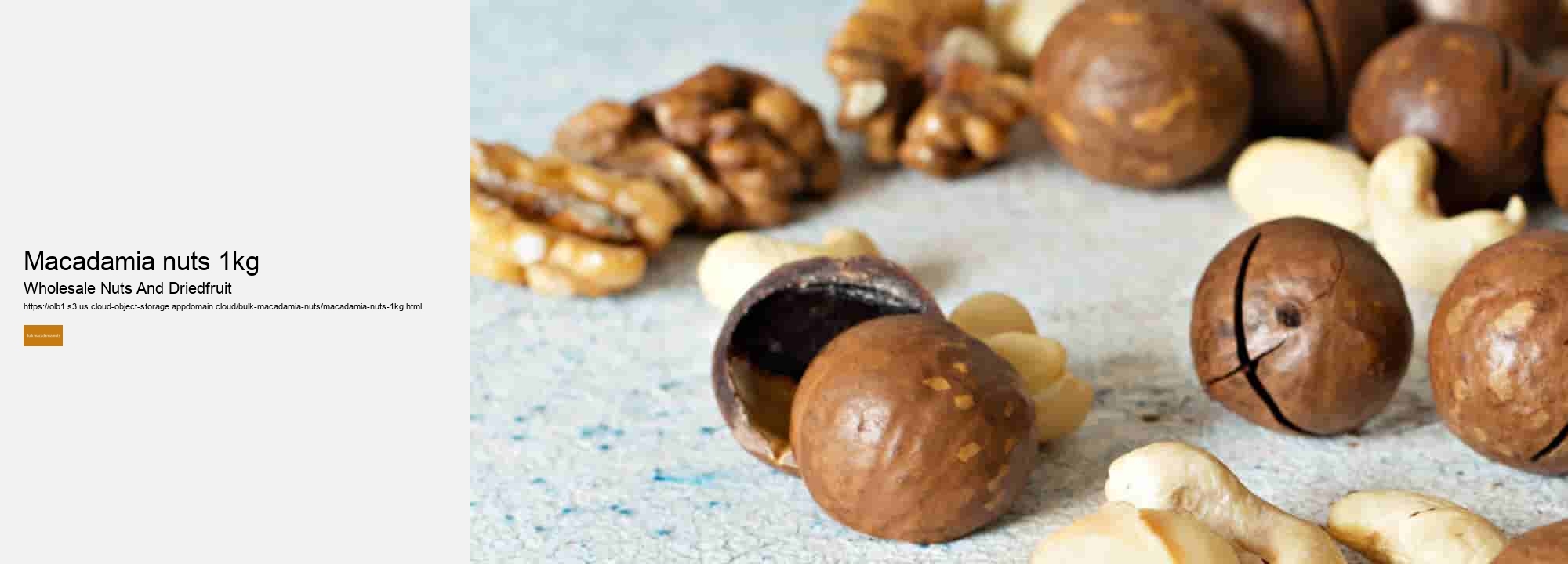
The history and origins of macadamia nuts as a popular snack foodMacadamia nuts have a long and fascinating history as a popular snack food. These delicious, buttery nuts are native to Australia, specifically the rainforests of Queensland and New South Wales. Indigenous Australians have been consuming macadamia nuts for thousands of years, both for their nutritional value and their rich flavor. The first recorded mention of macadamia nuts in Western literature dates back to the late 19th century when they were discovered by European settlers. The nuts were named after John Macadam, a scientist who played a key role in introducing them to the wider world. Macadamia trees were soon cultivated in Hawaii and other tropical regions, leading to the widespread popularity of these tasty treats.
They are high in monounsaturated fats, which are known to be good for heart health, as well as fiber, antioxidants, and essential nutrients like magnesium and vitamin B6. Today, macadamia nuts can be found in grocery stores around the world, roasted or raw, salted or unsalted. They are enjoyed on their own as a satisfying snack or used in various recipes, from salads to desserts. Their versatility and distinctive flavor make them a favorite among nut lovers everywhere. In conclusion, the history and origins of macadamia nuts as a popular snack food are intertwined with centuries of tradition and cultural significance.
Sustainable farming practices for producing bulk macadamia nutsSustainable farming practices play a crucial role in the production of bulk macadamia nuts. Macadamia nuts are not only a popular snack but also widely used in various culinary dishes and products. As the demand for these delicious nuts continues to rise, it is essential for farmers to adopt sustainable practices to ensure long-term productivity and environmental conservation. One of the key aspects of sustainable farming practices for producing bulk macadamia nuts is soil health management. Healthy soils are vital for the growth and development of macadamia trees, as they provide essential nutrients and support root growth.
These practices help maintain soil structure, prevent erosion, and reduce the need for chemical inputs. Water management is another critical component of sustainable macadamia nut farming. Macadamia trees require adequate water to thrive, but excessive irrigation can lead to water wastage and environmental degradation. By implementing efficient irrigation systems such as drip irrigation or mulching techniques, farmers can conserve water resources while ensuring optimal tree growth and nut production. Integrated pest management (IPM) is also essential in sustainable macadamia nut farming.
Instead of relying solely on chemical pesticides, farmers can use biological controls, cultural practices, and natural predators to manage pest populations effectively. This approach helps minimize the negative impact of pesticides on beneficial insects, soil health, and human health while maintaining a healthy ecosystem within the farm. Furthermore, biodiversity conservation plays a significant role in sustainable macadamia nut production. By planting native trees, creating wildlife habitats, and preserving natural ecosystems within their farms, farmers can promote biodiversity and enhance ecological resilience.
In conclusion, sustainable farming practices are essential for producing bulk macadamia nuts ethically and responsibly. By prioritizing soil health management, water efficiency, integrated pest management, and biodiversity conservation, farmers can ensure a thriving agricultural system that benefits both people and the planet. As consumers increasingly demand sustainably produced food products like macadamia nuts, it is crucial for farmers to embrace these practices to meet market demands while safeguarding our environment for future generations.
Macadamia nuts are known for their rich and buttery flavor, making them a perfect addition to any nut mix. To start, you'll want to gather all of your ingredients and tools. This may include a variety of nuts such as almonds, cashews, and pistachios, as well as dried fruits like cranberries or raisins.
Once you have everything ready, it's time to get creative with your mix! Start by pouring a generous amount of macadamia nuts into your mixing bowl as the base of your mix. From there, add in equal parts of your other nuts and dried fruits until you reach the desired ratio of ingredients.
Don't be afraid to experiment with different combinations and flavors. You could try adding some spices like cinnamon or nutmeg for an extra kick, or even drizzle some honey or maple syrup over the mix before baking it in the oven for a sweet treat. Once you've mixed all of your ingredients together, transfer the nut mix into storage containers and seal them tightly to keep them fresh. These homemade nut mixes make for great snacks on-the-go or tasty additions to salads and yogurt bowls.
So why not get creative in the kitchen today and whip up a batch of delicious homemade nut mix? Your taste buds will thank you!
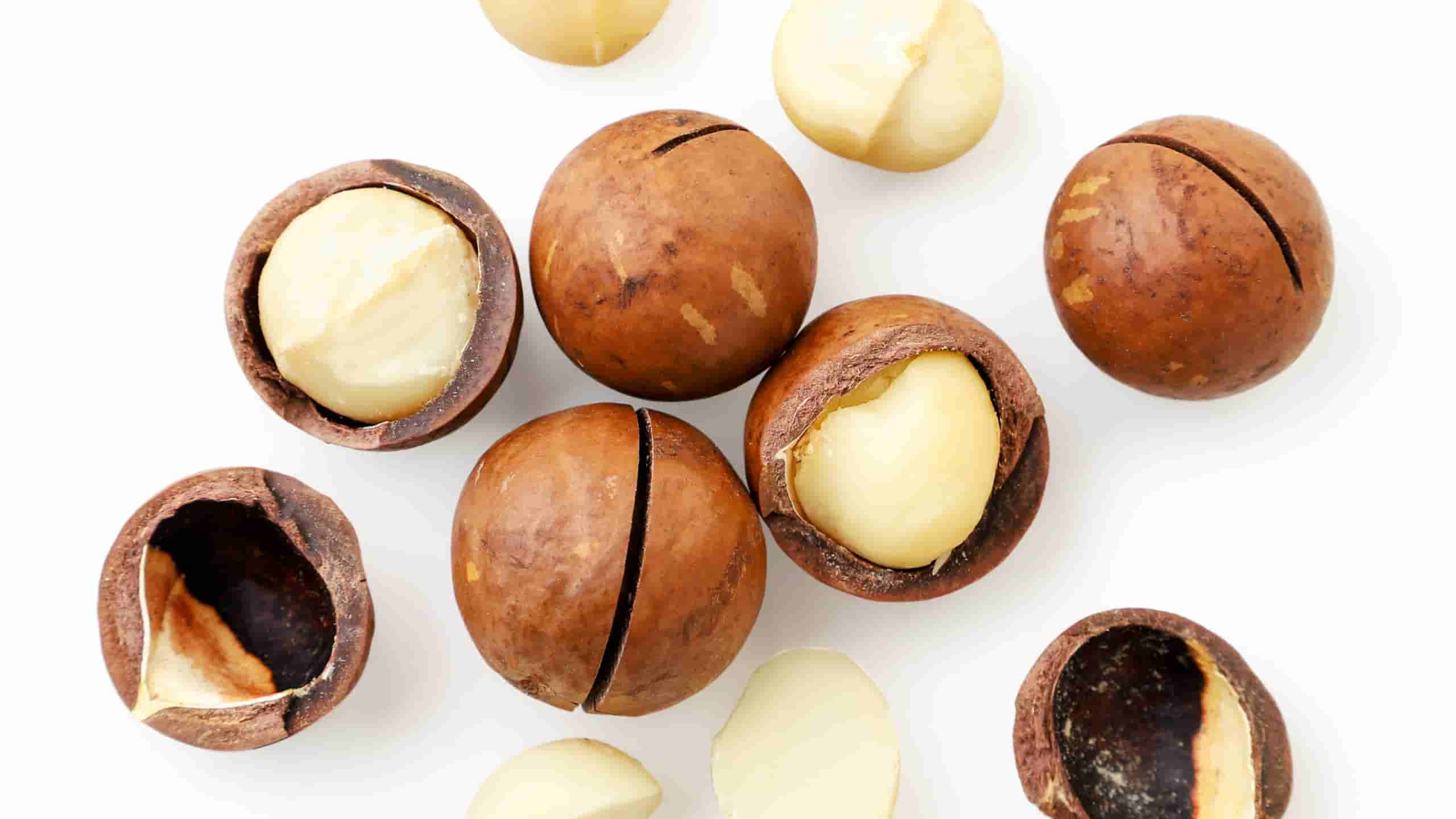
What is the best way to store bulk macadamia nuts? When it comes to storing bulk macadamia nuts, there are a few key factors to keep in mind in order to maintain their freshness and quality for as long as possible. Macadamia nuts are known for their rich flavor and buttery texture, making them a popular choice for snacking or adding to recipes. To ensure that your bulk supply of macadamia nuts stays fresh and delicious, proper storage is essential. The best way to store bulk macadamia nuts is in an airtight container in a cool, dry place.
Additionally, storing the nuts in a cool environment helps slow down the oxidation process, which can lead to a loss of flavor and nutrients over time. It is also important to keep the macadamia nuts away from sources of heat and light, as these can accelerate the deterioration of the nuts. Avoid storing them near appliances that generate heat or in direct sunlight. Instead, choose a dark pantry or cupboard that remains at a consistent temperature.
This will help prolong their shelf life and maintain their freshness. Be sure to label the container with the date of purchase so you can keep track of how long the nuts have been stored. In addition to proper storage techniques, it is important to check your bulk supply of macadamia nuts regularly for any signs of spoilage. Discard any nuts that appear discolored, have an off smell, or taste stale.
By following these simple guidelines for storing bulk macadamia nuts, you can enjoy their delicious flavor and crunchy texture for months to come. Whether you snack on them straight out of the container or use them in your favorite recipes, properly stored macadamia nuts will always be a tasty treat worth savoring. What is the nutritional value of bulk macadamia nuts? Macadamia nuts are a delicious and nutritious snack that can be enjoyed on their own or used in a variety of recipes.
These nuts are not only tasty, but they also offer a range of health benefits due to their impressive nutritional profile. When it comes to macadamia nuts, one of the most notable characteristics is their high fat content. While some may shy away from foods high in fat, it's important to note that the majority of the fats found in macadamia nuts are monounsaturated fats, which are considered heart-healthy fats. These fats can help reduce "bad" LDL cholesterol levels and lower the risk of heart disease. In addition to healthy fats, macadamia nuts are also a good source of fiber, which can aid in digestion and promote feelings of fullness. They also contain important vitamins and minerals such as vitamin E, magnesium, and copper.
Copper is essential for the production of red blood cells and collagen formation. Despite being nutrient-dense, it's important to consume macadamia nuts in moderation due to their high calorie content. A single ounce (about 28 grams) of macadamia nuts contains approximately 200 calories, so it's best to enjoy them as part of a balanced diet rather than as a main source of calories. Overall, macadamia nuts make for a great snacking option that can provide numerous health benefits when consumed as part of a well-rounded diet. Whether you enjoy them on their own or incorporate them into your favorite dishes, these tasty nuts are sure to add both flavor and nutrition to your meals.
What is the average price for bulk macadamia nuts? When it comes to purchasing bulk macadamia nuts, the average price can vary depending on various factors such as the quality of the nuts, the quantity being purchased, and where they are being sourced from. On average, bulk macadamia nuts can range anywhere from $8 to $15 per pound. However, prices can fluctuate based on the seasonality of the crop and market demand. In general, purchasing larger quantities of nuts will often result in a lower price per pound compared to buying smaller amounts.
Raw macadamia nuts tend to be more expensive than roasted ones due to the added processing involved. Additionally, organic macadamia nuts typically come at a premium price compared to conventionally grown nuts. The origin of the macadamia nuts can also play a role in determining their cost. Nuts sourced from regions with high production costs or limited availability may be priced higher than those from areas with more abundant supply. Overall, when looking to purchase bulk macadamia nuts, it is important to consider these factors and shop around for competitive prices.
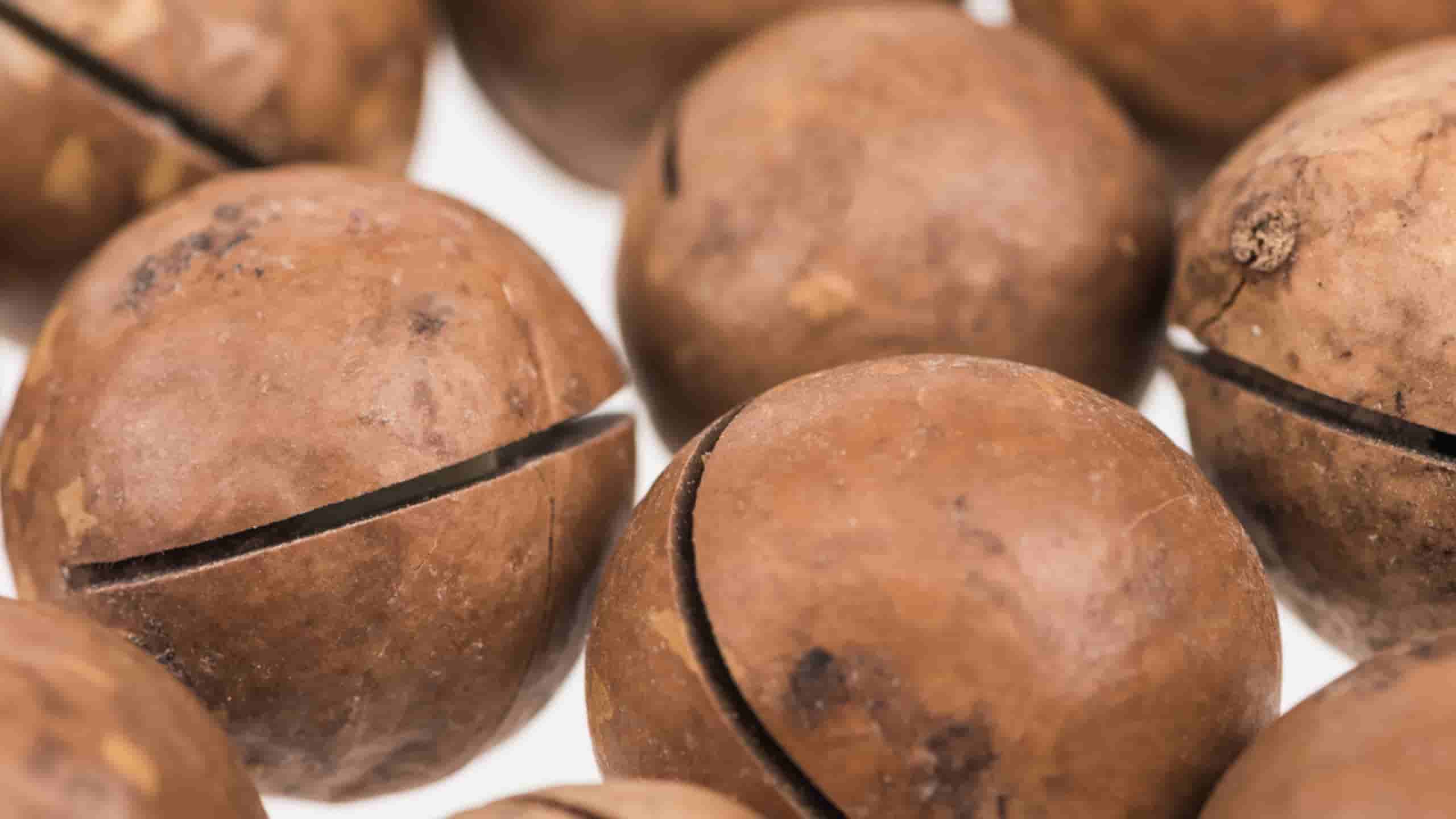
By comparing quotes from different suppliers and considering factors like quality and sourcing practices, you can find a good deal on bulk macadamia nuts that meets your needs and budget. What is the difference between raw and roasted bulk macadamia nuts? When it comes to macadamia nuts, there are two primary ways they can be prepared: raw or roasted. The main difference between the two lies in the way they are cooked and their resulting flavor profiles. Raw macadamia nuts are simply dried without any additional processing. They have a natural, creamy texture and a subtle, slightly sweet flavor.
On the other hand, roasted macadamia nuts have been cooked at high temperatures to enhance their flavor and create a crunchy texture. Roasting brings out the natural oils in the nut, giving them a richer, more intense taste. Some people prefer roasted macadamia nuts for their savory notes and satisfying crunch. In terms of nutritional differences, raw macadamia nuts may retain more of their antioxidants and healthy fats due to minimal processing. However, both raw and roasted macadamia nuts are nutritious options that provide essential nutrients like fiber, protein, and vitamins.
Ultimately, whether you choose raw or roasted macadamia nuts comes down to personal preference. If you enjoy a more natural taste with a softer texture, raw nuts may be your best bet. If you prefer a deeper flavor profile and crunchier bite, opt for roasted macadamias. Regardless of how they are prepared, macadamia nuts make for a delicious and versatile snack that can be enjoyed on its own or incorporated into various dishes. So whether you reach for raw or roasted bulk macadamia nuts next time you're looking for a tasty treat, rest assured that both options offer plenty of health benefits and culinary possibilities.
When it comes to bulk macadamia nuts, many people wonder about their shelf life. After all, no one wants to end up with a bunch of stale or rancid nuts after purchasing them in large quantities. So, what is the shelf life of bulk macadamia nuts? The good news is that macadamia nuts have a fairly long shelf life compared to some other types of nuts.
This makes them an excellent choice for stocking up on snacks or ingredients for baking projects. To ensure that your macadamia nuts stay fresh for as long as possible, it's important to store them correctly. The best way to store bulk macadamia nuts is in an airtight container in a cool, dark place. Avoid exposing them to heat or sunlight, as this can cause the oils in the nuts to go rancid more quickly.
Just be sure to let them come to room temperature before using them in recipes. In conclusion, the shelf life of bulk macadamia nuts is approximately two years when stored properly. By following these tips and keeping your nuts in a cool, dark place, you can enjoy fresh and delicious macadamia nuts for months or even years to come. What is the best recipe using bulk macadamia nuts?
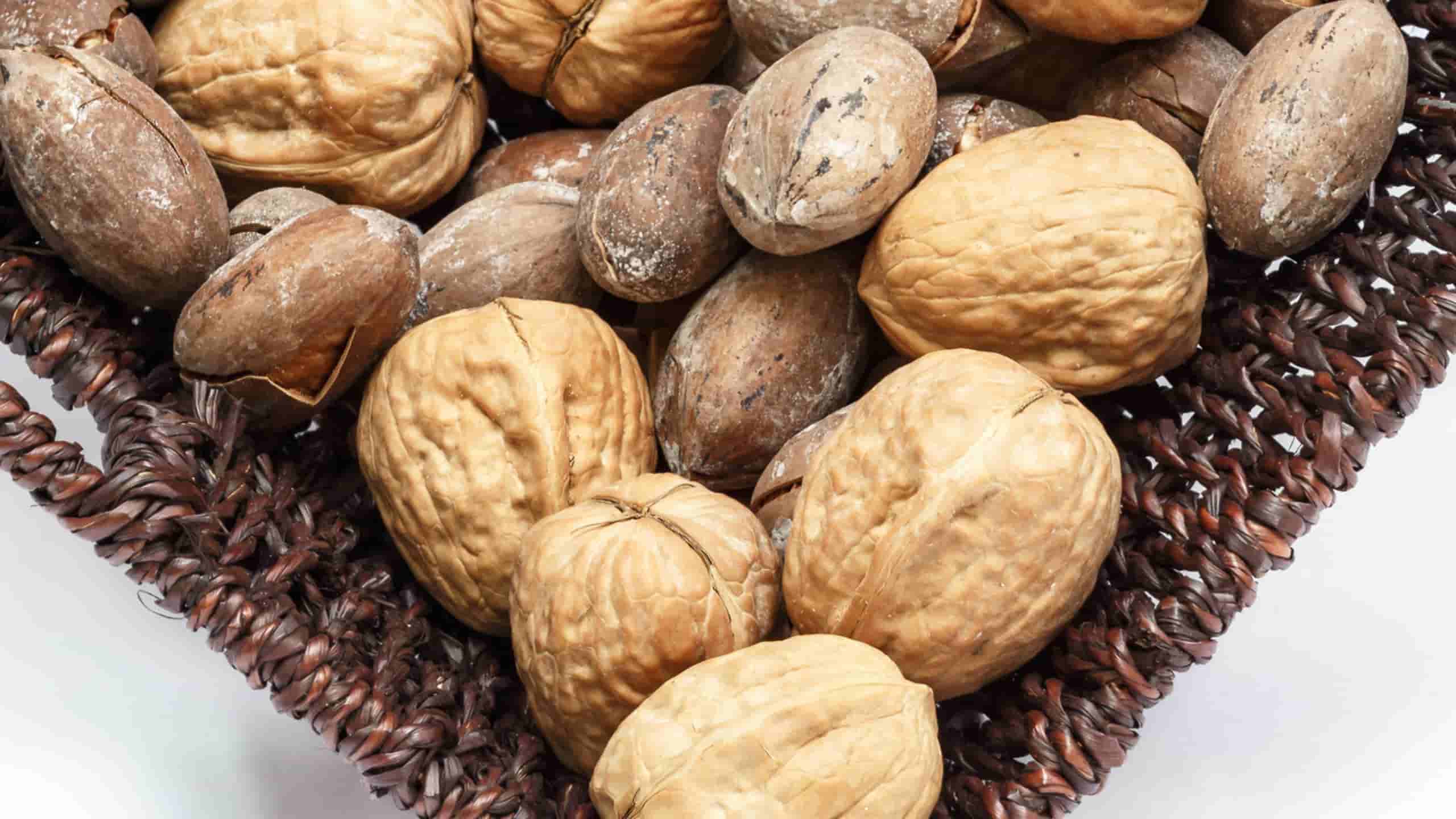
Raw macadamia nuts are unprocessed and have a softer texture and milder flavor, while roasted macadamia nuts have a crunchier texture and a more intense nutty flavor.
Macadamia nuts should be stored in an airtight container in a cool, dark place, such as a pantry or refrigerator, to prevent them from becoming rancid.
Macadamia nuts are technically seeds and are less likely to cause allergic reactions compared to tree nuts like almonds or walnuts. However, individuals with nut allergies should still exercise caution and consult with a healthcare professional.